- Call on : 904-788-1185
- Operational Hours : 8:00 am - 5:00 pm

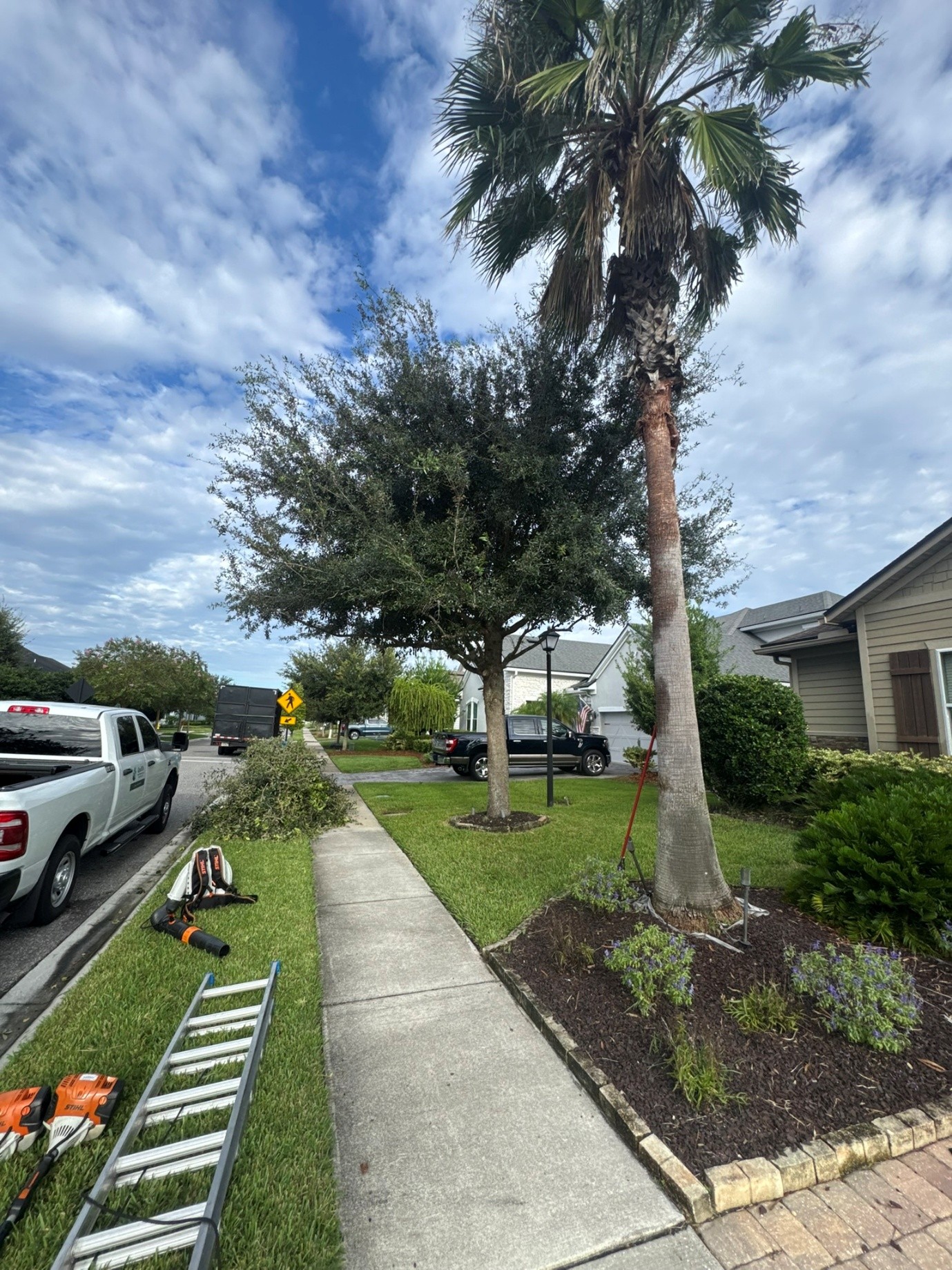
A tree that starts leaning toward a house or shows cracks in the trunk never stays stable for long. It usually signals hidden stress that can turn into a real hazard during wind or rain. Property owners looking for tree removal services St Augustine often face this exact situation, where the tree still stands but no longer feels safe. That gap between “standing” and “safe” is where professionals step in to prevent damage before it reaches roofs, driveways, or nearby people.
A lean does not just change how a tree looks. It changes how it behaves under pressure. Trees start leaning because of weak or damaged roots, soil shifting after heavy rain, hidden decay inside the trunk, wind stress over time, and uneven weight in the canopy. Even a small tilt often means the root system has already lost balance. So the danger does not sit on the surface. It sits underground where most people cannot see it.
Tree removal teams never rush in with saws. They first study how far the risk has developed. They usually inspect:
This step helps them decide one of three paths:
Every decision focuses on reducing sudden collapse risk.
Removing a leaning or cracked tree takes control, not speed. One wrong cut can shift weight suddenly. So professionals follow a controlled process:
This method prevents uncontrolled falling and protects nearby structures. In Florida, teams often combine this work with tree removal stump grinding FL, so leftover stumps do not become pest zones or trip hazards later.
A crack in a trunk is not just a surface issue. It often means internal weakness has already started. Warning signs include vertical splits running deep into the trunk, bark peeling in large sections, a hollow sound when tapped, fungal growth near the base, and branches breaking without wind pressure. Once cracks form, wind or rain can push the tree past its breaking point much faster than expected.
Florida weather does not wait for weak trees to fail slowly. It pushes them hard and fast. Before storms, professionals often remove risky trees early to avoid:
This is also why many property owners rely on preventive inspections instead of waiting for visible failure.
Tree removal is only part of the work. The yard still needs to be made safe again. Cleanup often includes branch and log removal, clearing sawdust and debris, checking nearby trees for stress signs, and preparing the ground for restoration. In many cases, stump grinding follows removal so the land becomes usable again. Without that step, stumps can attract insects and block future landscaping.
A leaning or cracked tree does not pause. It slowly shifts every time wind or rain hits it. Delaying removal often leads to:
Early action keeps the problem smaller and more manageable.
Tree removal is not only about cutting down danger. It also resets the balance of the landscape. It helps by removing unstable weight near homes, improving sunlight and airflow, preventing the spread of decay to nearby trees, reducing future storm risks, and making yards easier to maintain. Healthy landscapes depend on removing what no longer stays stable.
A leaning tree does not always fall slowly. Sometimes it gives no second warning. One strong wind or heavy rain can push it past the tipping point in seconds. When that happens, the damage usually spreads fast:
This is why professionals never treat leaning trees as “wait and watch” cases. The risk keeps growing even if the tree looks stable for a few days. Quick action reduces both cost and danger.
Most tree failures give signals long before collapse. The problem is, many people ignore them because the tree still looks “mostly fine.” Early warning signs include:
Once more than one sign shows up, the tree is already under stress. This is the stage where calling professionals makes the biggest difference, because early removal or support can prevent full failure.
A leaning or cracked tree is never just a small warning. It points to real structural risk that can grow fast during wind or rain. Quick inspection and safe removal help stop damage before it reaches your home, yard, or nearby structures. While checking tree removal services St Augustine, property owners often realize that real value comes from prevention, not reaction.
Quill’s Tree Services, LLC helps handle risky trees with careful planning and safe removal methods. The team focuses on protecting homes, improving outdoor safety, and keeping properties clean and stable. Every project aims to reduce risk and restore confidence in your outdoor space.
Trees lean due to root damage, soil shift, decay, or strong wind stress weakening stability.
Yes, deep cracks often mean internal weakness, increasing risk of sudden breakage during storms or heavy winds.
They cut in sections, use ropes or cranes, and control every step to avoid sudden collapse damage.
Yes, stump grinding prevents pests, removes trip hazards, and keeps the yard clean and usable.
Yes, small cracks expand quickly with rain and wind, leading to sudden structural failure risks.