- Call on : 904-788-1185
- Operational Hours : 8:00 am - 5:00 pm

A tree leaning toward your home, split after a storm, or showing serious signs of damage can quickly become a property concern. But not every damaged tree needs to come down. The right decision depends on the tree’s condition, structure, location, and the risks around it.
Quill’s Tree Services, LLC provides professional Tree Removal for homeowners and commercial property owners in Jacksonville and surrounding Northeast Florida communities. The company evaluates the situation before determining whether complete removal, pruning, storm-related service, or another tree-care solution makes more sense. When removal is necessary, the focus is on handling the tree and the resulting debris while considering the surrounding property.
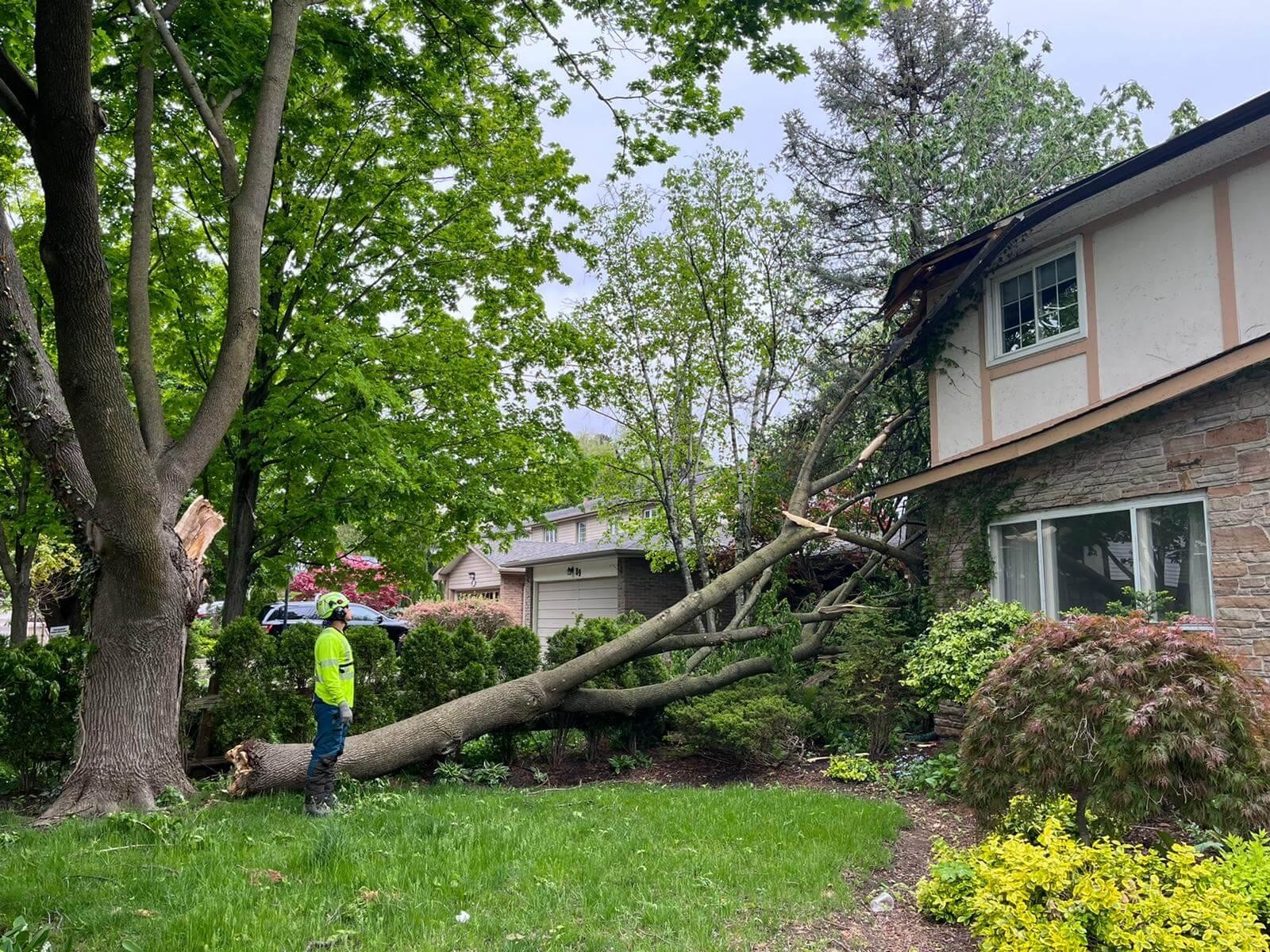
Removing a mature tree is a significant decision. If a problem involves only a few damaged or overgrown branches, pruning may solve it without taking down the entire tree. Removal becomes more appropriate when the tree itself has become difficult or unsafe to keep.
Situations that may call for removal include:
Consider two trees of similar size. One stands in an open section of a backyard with a few dead branches. The other stands between a house, driveway, fence, and outdoor living area with major damage to its main structure.
They may be the same height, but they are not the same removal problem. Tree condition and surroundings matter just as much as tree size.
Jacksonville and surrounding Northeast Florida communities experience heavy rain, strong winds, tropical weather, and hurricanes. Severe weather can break large limbs, split trunks, uproot trees, or leave a tree standing with serious structural damage.
A tree that has fallen across a driveway is an obvious problem. A partially uprooted tree leaning toward a house can be even more concerning because it may remain standing while its stability has already changed.
This is where emergency tree removal Jacksonville services can become necessary.
After a major storm, look for situations such as:
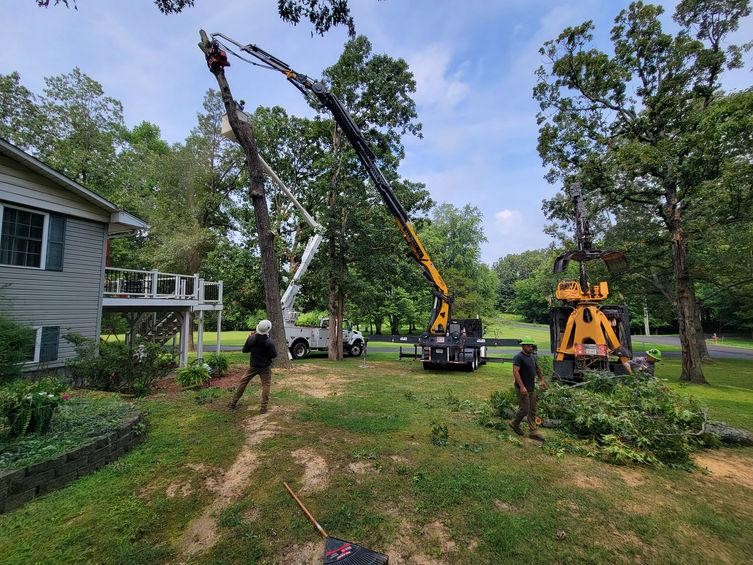
Do not assume a damaged tree is safe simply because it has not fallen. Large branches can remain under tension, and a compromised tree may not behave as it did before the storm.
If the damage is limited to specific branches, pruning may be enough. If the main structure has been seriously compromised, complete removal may be the more appropriate option.
A good tree-removal decision starts before anyone cuts the tree.
The tree itself needs to be considered alongside everything around it. That includes its height, trunk condition, branch structure, lean, surrounding buildings, fences, driveways, landscaping, access points, and the amount of available working space.
The assessment should answer a practical question:
That distinction protects homeowners from two opposite mistakes. Removing a tree unnecessarily can mean losing a healthy part of the property. Trying to preserve a seriously compromised tree can leave the property exposed to a greater problem.
The goal is not to recommend removal simply because removal is a larger service. The goal is to match the service to the tree’s actual condition.
Tree removal is not simply cutting through the trunk and hauling away the pieces. The surrounding property can determine how complicated the work becomes.
A typical project involves several considerations:
Property owners sometimes assume that tree removal is the answer because a tree looks large, messy, or damaged. That is not always the case.
Local conditions matter because trees are part of the property, not separate from it.
In Jacksonville, a storm-damaged tree may be positioned close to a roof, driveway, fence, or outdoor living area. The removal decision therefore needs to account for both the tree and the surrounding space.
For homeowners comparing the best tree removal Orange Park, the important question is not simply how quickly a company can remove a tree. Look for a service that considers the tree’s condition, nearby property, access, and cleanup requirements before beginning the work.
Homeowners looking for tree removal in Saint Johns FL may also face properties where mature trees sit close to homes, fences, driveways, or established landscaping. Limited working space can affect the complexity of a removal project.
In St. Augustine, tree removal services St Augustine can become particularly relevant after severe weather damages mature trees or leaves large limbs in unsafe positions around homes and outdoor areas.
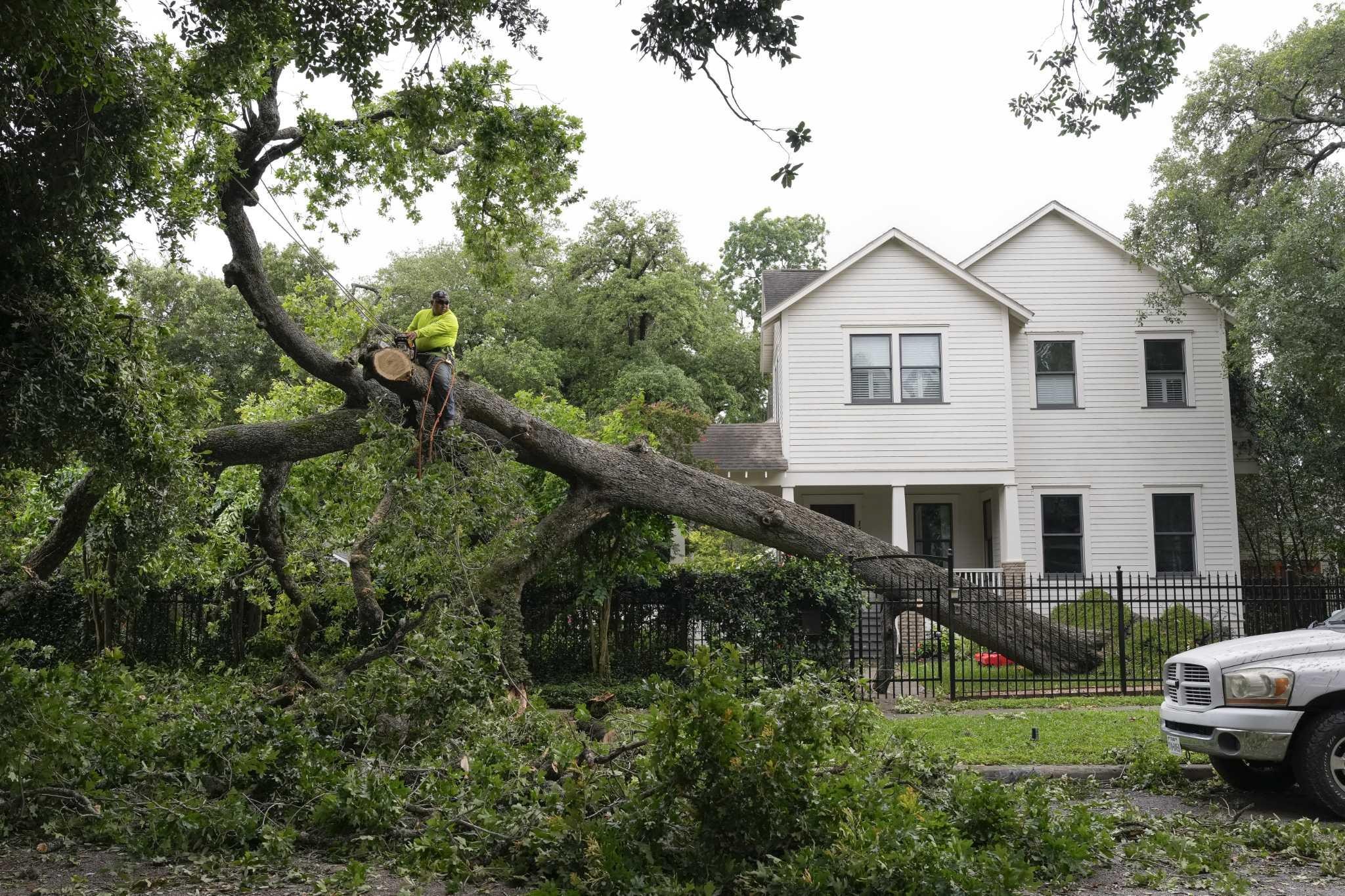
There is no reliable flat price for tree removal. A 50-foot tree in an open yard can require a very different level of work from a 50-foot tree standing between a house, fence, driveway, and other obstacles.
Factors that may affect the cost include:
Quill’s Tree Services, LLC is a family-owned and veteran-owned tree-care company serving residential and commercial properties throughout Northeast Florida. The company emphasizes safety, quality workmanship, professional equipment, and personalized service.
Its identity is also more personal than a typical service brand. The company was named after Quill, the owner’s beloved cat, giving the business a story rooted in family rather than a generic industry label.
Tree removal is part of a broader range of tree-care services. When complete removal is not necessary, property owners can also seek pruning and trimming. When a removal project leaves a stump or substantial debris, stump grinding and cleanup can address those remaining parts of the job.
If a tree is leaning significantly, partially uprooted, severely damaged, or has large unstable branches near your home, do not try to determine its safety by climbing it or cutting it yourself.
The first step is to have the situation assessed. That can help establish whether the tree needs pruning, removal, emergency attention, stump work, or cleanup.
Contact Quill’s Tree Services, LLC when a hazardous, damaged, overgrown, or storm-affected tree becomes a concern for your Jacksonville-area property. Whether the right answer is selective pruning or complete removal, understanding the tree’s condition and the surrounding risks comes first.
Removal may be necessary when a tree is severely damaged, unstable, hazardous, or unsuitable for its current location.
Not always. Pruning can address branch problems, while serious structural damage may make complete removal the safer option.
Tree size, condition, nearby structures, accessibility, storm damage, removal complexity, and cleanup requirements can influence the final cost.
Yes. Storms can split trunks, break major limbs, uproot trees, and leave damaged trees unstable even when they remain standing.
Stump grinding removes the remaining stump after removal, helping reclaim yard space and preparing the area for future landscaping.