- Call on : 904-788-1185
- Operational Hours : 8:00 am - 5:00 pm

A tree can come down in minutes. Cleaning up everything it leaves behind can be a much bigger task. Large limbs may block a driveway, trunk sections can occupy valuable yard space, and storm debris can leave an otherwise usable property difficult to access.
Quill’s Tree Services, LLC provides professional tree debris removal service for residential and commercial properties in Jacksonville and surrounding Northeast Florida communities. Cleanup can address branches, logs, leaves, wood chips, and other tree material left after pruning, tree removal, stump grinding, or severe weather.
The amount of debris is only part of the job. Its location, size, condition, and access to the property can all affect how the cleanup should be handled.
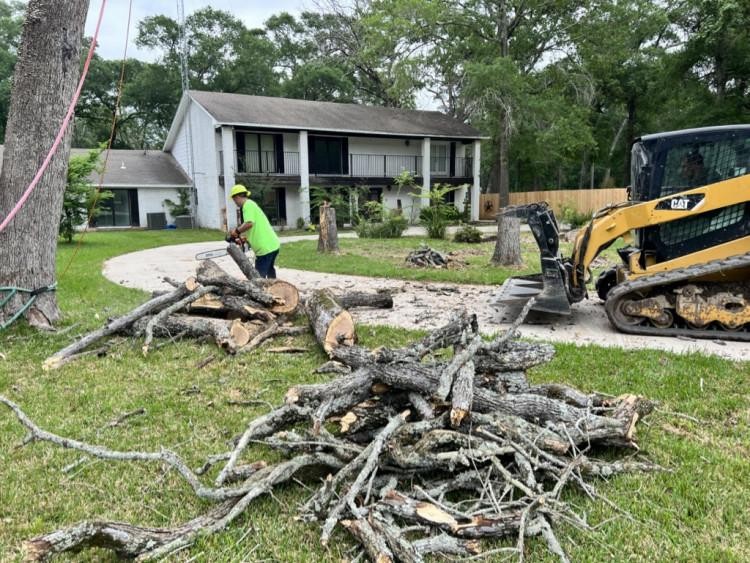
A few branches scattered across a lawn are usually manageable. Several heavy limbs or trunk sections are another matter. Once tree material starts occupying driveways, walkways, landscaped areas, or work spaces, leaving it there can interfere with normal property use.
Common situations include:
Consider a homeowner who has just had a hazardous tree removed beside the house. The tree is no longer a concern, but the property still contains heavy logs and branches. Until those pieces are cleared, the homeowner cannot fully use or redesign that section of the yard.
That is where professional debris removal becomes the practical next step.
Tree debris is not one uniform type of material. Pruning may produce thin branches and smaller pieces, while a full removal can leave heavy limbs and sections of trunk. Storm damage can create a mixture of both, often scattered across a much larger area.
Depending on the project, cleanup may involve:
The difference matters because a compact pile of small branches is much easier to handle than several heavy logs located behind a fence or beside a structure. The property layout and the material itself should both be considered before the cleanup begins.
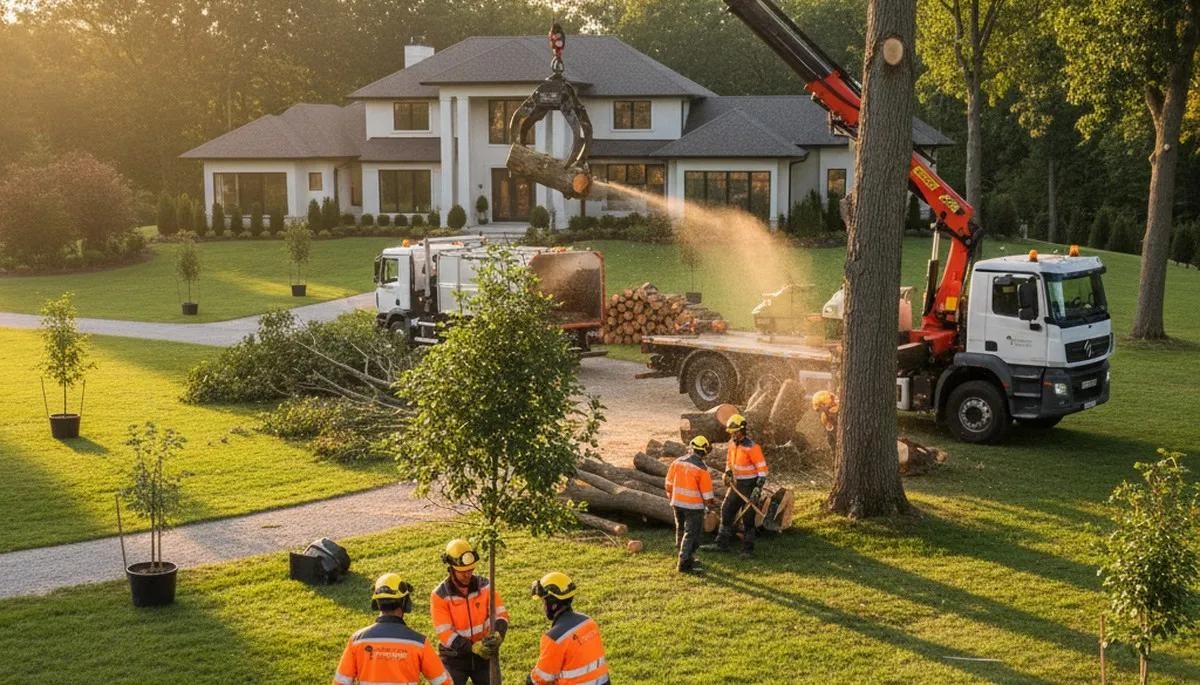
Northeast Florida properties can experience strong winds, heavy rain, tropical storms, and hurricanes. When trees are damaged, branches may fall across driveways, fences, landscaping, vehicles, or other parts of the property.
Storm cleanup can involve more than simply picking up what has fallen. A broken branch lying on an open lawn is different from a large limb that remains attached to a damaged tree. In the second situation, the unstable tree may need attention before the surrounding material can be safely cleared.
A useful storm cleanup process considers:
This helps separate a straightforward debris cleanup from a situation that also requires tree pruning or removal.
Stump grinding creates its own type of cleanup. Instead of leaving large pieces of wood behind, the process produces chips and smaller ground-up material.
That makes stump grinding debris removal relevant when a homeowner plans to restore the area afterward. For example, someone grinding a stump to make room for new grass may need the resulting material cleared before preparing the ground. A homeowner creating a planting bed may have different requirements.
The intended use of the area should therefore be discussed along with the stump work. Removing the stump and preparing the space for its next purpose are related, but they are not necessarily the same task.
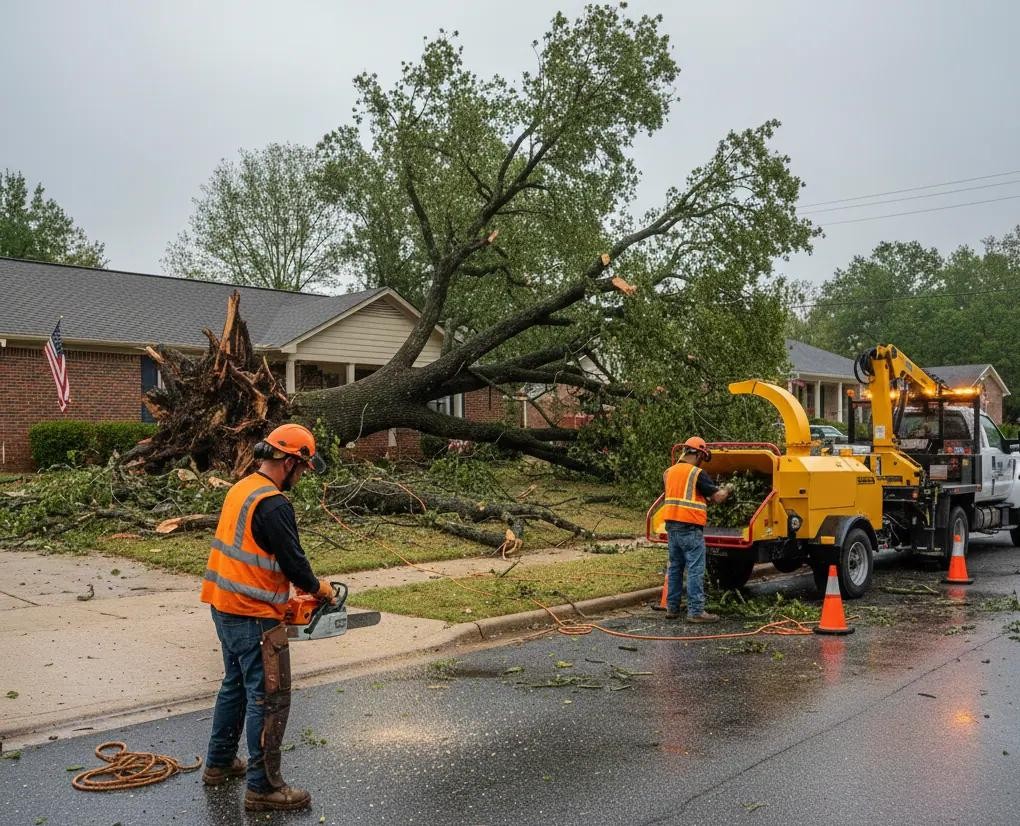
Sometimes cleanup is the only service a property needs. Other times, it is the final stage of a larger tree project. A typical job may involve:
Pruning or removal produces branches, logs, or other material.
The debris is gathered and handled according to its size, weight, condition, and location.
Gates, fences, buildings, landscaping, driveways, and narrow areas can affect how the material is moved.
Remaining tree material is addressed so the affected area can return to normal use or move on to the next project.
This is particularly important when debris is spread across different parts of a property. A fallen tree may stretch across a yard, while material from a removal may be concentrated in a tight side area. The cleanup approach should fit those conditions rather than treating every job as the same type of haul-away.
The location of the debris can change the practical challenges involved.
In Jacksonville, mature residential trees may stand close to driveways, fences, homes, and established landscaping. After a storm, fallen limbs can restrict access or cover areas normally used for parking and yard maintenance. Commercial properties have different priorities when debris affects entrances, parking areas, or day-to-day operations.
When researching best debris removal in Jacksonville, look beyond whether a company simply removes the pile. Ask how the provider accounts for the type of material, access to the property, nearby structures, and the condition of the area afterward.
For debris removal in Orange Park, access can be especially important when material is located behind fences, beside homes, or within established landscaping. A large trunk section may require a very different approach from loose branches scattered across an open yard.
Property owners seeking debris removal services Saint Johns FL may be dealing with established residential landscapes where branches and logs have landed around plants, fences, driveways, or other features that need to remain protected.
In St. Augustine, tree debris removal services St Augustine can help property owners clear material left after pruning, tree removal, or storm damage when branches and logs begin interfering with maintenance, access, or planned outdoor improvements.
There is no single price that accurately describes every debris removal project. The work can vary significantly depending on the material and the property. Important factors can include:
For example, a few branches beside an open driveway present a much different job from several heavy trunk sections located behind a narrow gate. A property-specific assessment gives a more realistic basis for discussing the work than a flat estimate based only on the size of the debris pile.
Quill’s Tree Services, LLC is a family-owned and veteran-owned tree-care company serving residential and commercial properties throughout Northeast Florida.
Its work extends beyond debris cleanup to tree pruning, tree removal, stump grinding, and storm-related tree services. That matters when the debris is connected to a larger tree problem. A damaged tree may need to be removed before its branches and logs can be cleared, while another customer may only need an existing pile handled.
The company also has a personal story behind its name. Quill was the owner’s beloved cat, giving the business a name rooted in the owner’s life rather than a generic tree-service label.
That personal identity fits the company’s focus on direct, individualized service while its tree-care work remains centered on safety and professional equipment.
Tree debris does not need to remain a permanent part of your driveway, lawn, or commercial property. Once the material is identified and the access challenges are understood, the cleanup can be planned around how you actually use the space.
Contact Quill’s Tree Services, LLC to discuss your tree debris removal needs in Jacksonville and surrounding Northeast Florida communities. Whether you are dealing with storm-damaged branches, heavy trunk sections, stump grinding material, or debris left after tree work, the first step is determining what needs to be cleared and what you want the property to look like afterward.
Schedule removal when branches, logs, or storm debris block access, interfere with maintenance, or prevent planned property improvements.
It can include wood chips and other material produced during stump grinding, depending on the cleanup needs of the project.
Yes. Debris removal can address branches, trunk sections, logs, and smaller material remaining after professional tree removal.
Debris volume, material size, property access, nearby obstacles, storm conditions, and required cleanup can all affect the project cost.
Yes. If a damaged tree remains unstable, pruning or removal may be necessary before the surrounding debris can be fully addressed.