- Call on : 904-788-1185
- Operational Hours : 8:00 am - 5:00 pm

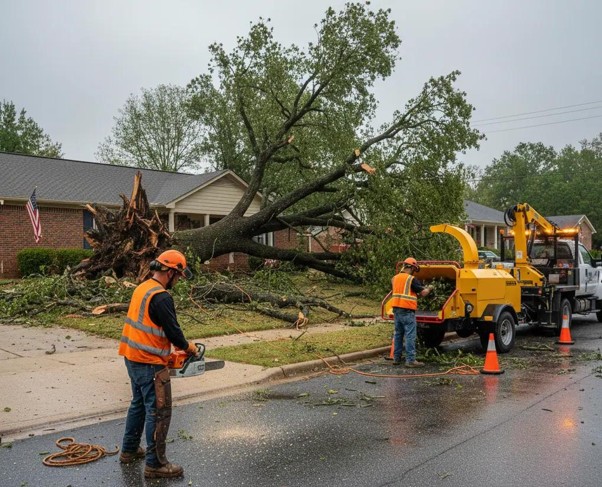
A tree can stand in the same place for decades, but its condition can change much faster than most homeowners expect. Strong winds, hidden damage, crowded growth, or changes around the property can turn a healthy-looking tree into a safety concern. If you are looking for tree removal services St Augustine, understanding the warning signs before damage spreads can help you make smarter decisions and avoid unexpected problems later.
Not every damaged tree needs immediate removal, but some warning signs deserve quick attention because they often become worse over time instead of improving.
Look closely for situations like these:
For example, a tree may still produce green leaves even though its base has started shifting after weeks of heavy rain. Another tree may appear healthy from the street, but repeated branch failures can show that its structure has become weaker over time.
Homeowners usually notice visible damage first, but experienced tree professionals also look for signs that are easy to miss. The goal is not simply to decide whether a tree should stay or go. Instead, they determine whether the tree can remain safe as it continues to grow.
A detailed inspection often includes:
For instance, two trees may look almost identical from the outside. After inspection, one may only need trimming, while the other may require removal because hidden structural damage has reduced its stability.
Waiting does not always save money or reduce work. A tree that remains stable today can become much harder to remove after another storm, especially if broken limbs fall onto roofs, fences, sheds, or parked vehicles.
Early action also helps homeowners plan removal instead of dealing with an emergency.
Property owners often schedule inspections before:
For example, removing one unstable tree before hurricane season may prevent emergency work later when access becomes more difficult, and cleanup takes longer.
Homeowners often assume that removal is the only answer when a tree starts showing signs of damage. That is not always true. A reliable tree service company first looks for ways to keep the tree whenever it is safe to do so. The decision depends on the tree’s condition, its location, and the level of risk it creates.
A tree may remain on the property if it has:
On the other hand, removal may become the better choice if the tree continues to decline or creates a safety concern that trimming cannot solve.
For example, a large oak with one broken limb may only need careful pruning. A tree with several large cracks near the base, however, may no longer provide enough stability to remain safely in place.
The same tree can require different solutions depending on where it stands. A healthy tree growing in an open field presents fewer concerns than one growing a few feet from a home, garage, driveway, or power line.
During an inspection, professionals often consider questions like:
For example, a tree that grows close to a backyard fence may not require immediate removal. The same tree, if leaning toward a roof after a storm, could need much faster attention because the risk has changed.
Some property owners believe tree removal ends once the trunk reaches the ground. In reality, the job involves several carefully planned steps that help protect the surrounding property from start to finish.
A professional tree removal project may include:
After the work is complete, cleanup also plays an important role. Branches, wood pieces, and scattered debris can quickly turn a finished project into another problem if they remain on the property. That is why some homeowners also look for debris removal services Saint Johns FL, so their yard is cleared and ready to use again.
For example, after removing a storm-damaged tree, clearing the remaining branches and wood from the yard allows homeowners to safely access driveways, gardens, and outdoor spaces without additional cleanup delays.
Knowing when a tree should be removed starts with recognizing the warning signs and understanding the level of risk. Trees that lean, develop structural cracks, suffer storm damage, or grow too close to important structures deserve professional attention before the situation becomes more difficult. If you are looking for tree removal services St Augustine, choose a company that takes time to inspect the tree, explain the available options, and complete the work with safety and proper cleanup in mind.
Quill’s Tree Services, LLC provides complete tree care solutions for homeowners and businesses throughout Northeast Florida. From careful tree evaluations and safe tree removal to stump grinding and debris cleanup, the team handles every stage of the project with attention to detail. If you need planned tree removal or help after a storm, we offer dependable service designed to keep your outdoor space clean, safe, and ready to use.
Yes. A tree may still have green leaves while hidden trunk cracks, damaged roots, or internal decay make it unsafe over time.
Not always. Some trees naturally lean, while others shift because of root damage or storms. A professional inspection helps determine the right solution.
Check for visible damage, note nearby structures or power lines, and share any recent storm history so the inspection can focus on potential risks.
Most professional services remove branches, logs, and other tree debris. Some also offer stump grinding or stump removal as part of the project.
An inspection identifies structural damage, evaluates safety risks, and determines whether trimming, monitoring, or complete removal is the most suitable option.