- Call on : 904-788-1185
- Operational Hours : 8:00 am - 5:00 pm

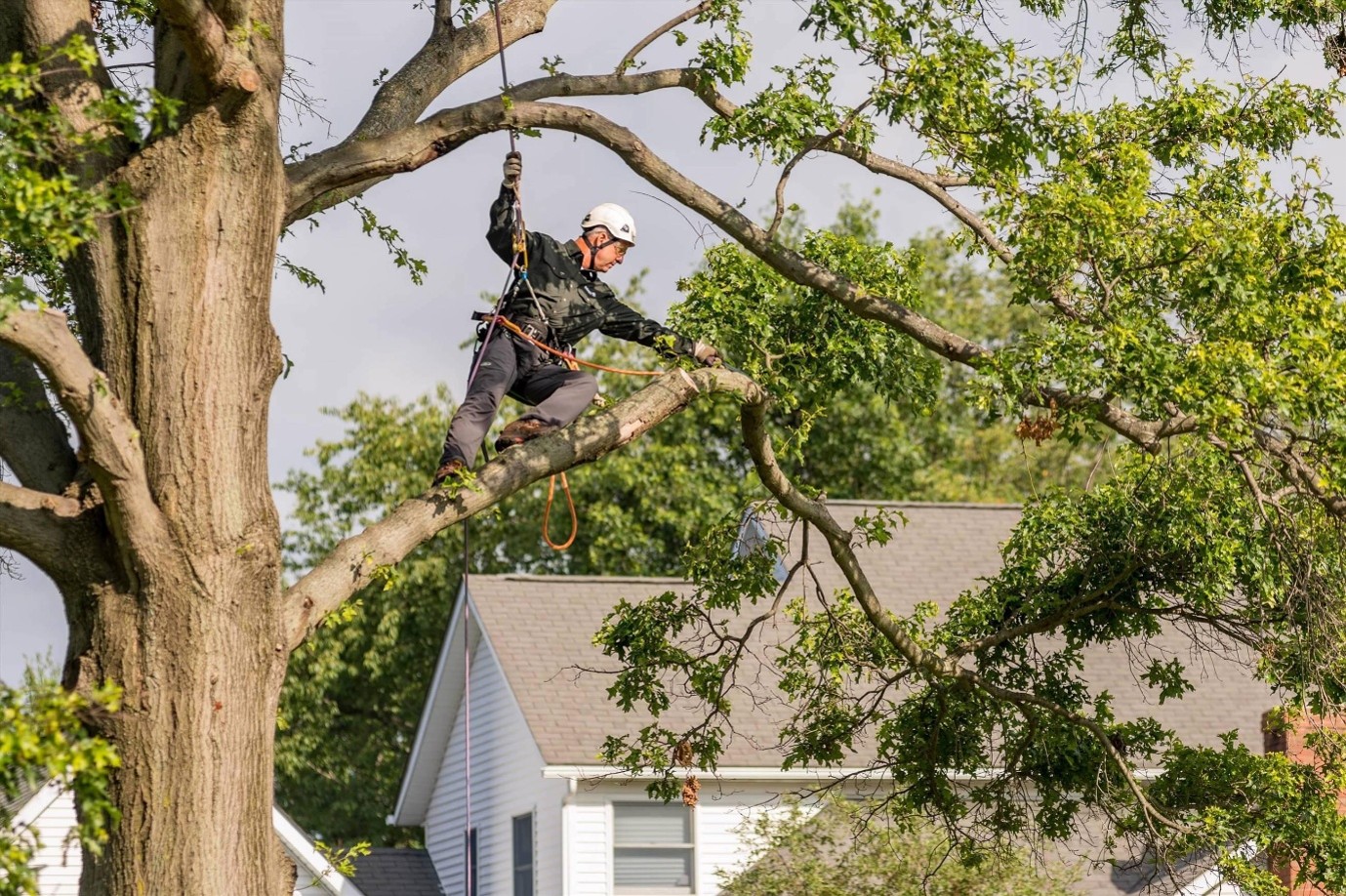
Branches do not need to fall to cause trouble. A limb growing toward your roof can scrape shingles, while one hanging over a driveway can hit a car or block your view. Branches near utility wires create an even bigger concern. Pruning services Saint Johns FL can address these growth issues while helping healthy trees stay in place.
Trees often grow toward open space. If that space happens to be above your roof, branches may slowly extend over the house.
At first, you may only notice leaves or small twigs on the roof. Later, a larger limb may start rubbing against shingles or siding. Wind can make the problem worse because moving branches can hit the roof again and again.
Pruning can create more space between the tree and your home. A tree professional can identify limbs that:
The key is to remove the right branches without taking away healthy parts of the tree for no reason.
Pruning near a roof is not about making the tree look perfectly neat. It is about giving both the tree and the home enough room.
For example, a mature oak may have one large limb that reaches toward a second-story roof. The rest of the tree may look healthy. Removing that one problem limb may provide the clearance the property needs.
This approach also keeps the tree in place. You do not always need tree removal just because one section has grown too close to your home.
However, pruning cannot make a tree completely storm-proof. Strong winds can break even healthy branches. That is why property owners should still inspect trees after severe weather.
Driveway branches create a different set of problems.
A low limb can hit the roof of an SUV or delivery truck. It can also make it harder to see the road when backing out. Branches that hang over a walkway may cause another issue by getting in the way of people carrying groceries, walking with children, or moving outdoor items.
Pruning can improve clearance in these areas without removing the whole tree.
A professional may remove selected lower limbs or shorten certain branches that extend too far into the driveway. The exact cuts depend on the tree’s shape, health, and location.
That matters because cutting too much from one side can change the tree’s balance and appearance.
Good clearance makes everyday use of your property easier.
Think about a tree beside a narrow driveway. Its trunk is in a good spot, but several branches have grown across the parking area. You may have to park farther away from the tree or worry about a branch touching your vehicle.
Selective pruning can open that space back up.
It can also improve visibility near driveways and corners. That small change can make a property feel less crowded while keeping the shade and value that the tree provides.
Branches near utility wires require extra care.
Do not climb a ladder and try to cut them yourself. You should also avoid using a saw or pole pruner near a power line. Even a branch that does not appear to touch the wire can create a dangerous situation when it moves.
If a tree has grown into or very close to power lines, contact the utility provider or a qualified professional who handles this type of work.
This is one area where saving money with a DIY job is not worth the risk.
For other trees that have become overgrown but do not sit near active power lines, pruning services St Augustine can help property owners manage branches before they interfere with nearby structures.
Tree pruning near utility lines does not follow the same rules as trimming a small backyard tree.
Professionals need to consider the location of the wires, the direction of branch growth, the condition of the tree, and the space around the work area. A falling branch can also move in an unexpected direction.
If you see a branch resting on a power line after a storm, stay away from it. Keep children and pets away from the area as well.
Call the utility company or a qualified tree professional for guidance. Do not assume a branch is safe simply because it looks small.
Pruning makes sense when the tree itself remains healthy and stable but certain branches create a problem.
Tree removal may make more sense when the tree has severe damage, major decay, serious structural problems, or a location that creates an ongoing hazard.
Here is a simple way to think about it:
Pruning: The tree can stay, but some branches need attention.
Removal: The tree itself creates a serious or ongoing problem that pruning cannot reasonably fix.
A professional inspection can help you avoid removing a healthy tree when a smaller fix could solve the issue.
Good pruning should have a clear reason behind every cut.
Removing random branches or cutting the top of a tree can create new problems. Heavy cuts may leave large wounds and change how the tree grows. They can also leave the tree looking uneven.
Instead, pruning should focus on specific branches that create clearance, have damage, or need removal for the tree’s structure.
The work should also leave enough healthy growth for the tree to continue developing.
That is why professional pruning is more than simply cutting branches with a saw.
There is no single schedule that works for every tree.
A fast-growing tree may need attention sooner than a slower-growing one. Location matters too. A tree beside a house, driveway, walkway, or utility line deserves closer attention than one standing in an open part of the yard.
Walk around your property from time to time and look for changes.
Watch for:
You should also check trees after heavy storms. A branch that looks fine from the ground may have hidden cracks after strong winds.
Florida weather can change quickly, so waiting for a storm warning may leave little time to address obvious tree problems.
Routine pruning gives property owners a chance to deal with certain issues before severe weather arrives. It may include removing dead limbs, improving clearance around structures, and addressing branches with visible damage.
Still, pruning does not guarantee that a tree will survive a hurricane. No tree-care method can remove every storm risk.
The smart move is to spot clear problems early and have the tree checked before they become urgent.
Branches near a roof, driveway, or utility line can create very different risks. The right pruning plan depends on where the branch grows, why it needs attention, and the condition of the tree.
If you need pruning services Saint Johns, FL, Quill’s Tree Services LLC can inspect problem branches and help you choose the right tree-care option. We serve local property owners with tree pruning, removal, cleanup, and related services. The team focuses on practical tree care that protects your property while keeping healthy trees where they belong.
Yes. Proper pruning can create clearance around your roof and reduce contact from branches as the tree continues growing.
Pruning can remove low or overgrown limbs that block vehicles, reduce visibility, or interfere with people using the driveway.
No. Avoid DIY trimming near power lines and contact the utility company or a qualified professional for safe handling.
No. Healthy trees often need selective pruning when only certain branches create problems near homes, driveways, or other structures.
Check trees regularly and after severe weather, especially when branches grow near roofs, driveways, walkways, or utility lines.